 Home
Home
Snaking or Cabling
Affordable Drain Snaking and Cabling Service in RI and MA
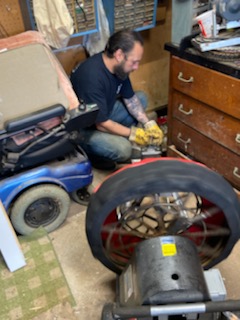 When a drain backs up, you need someone you can trust to clear it quickly — without overcharging you or recommending work you don't actually need. That's exactly what Wood's Rooter delivers.
Since 2007, our family-owned team has helped homeowners, businesses, and municipalities across Rhode Island and Southern Massachusetts clear stubborn clogs and get their plumbing flowing again. We're competitively priced, honest about what your drain actually needs, and committed to getting the job done right the first time.
Drain snaking — also called cabling or mechanical rootering — is the most common and cost-effective method for clearing blocked drains. A trained technician inserts a long, flexible steel cable into the pipe and rotates it to break apart or retrieve the blockage, whether it's hair, grease, soap buildup, food debris, or a foreign object. Unlike chemical drain cleaners that can damage your pipes over time, snaking is safe for all pipe types — including older cast iron, clay, and PVC — and it delivers immediate results without the mess or expense of excavation.
Snaking or Cabling FAQs
Yes, essentially. Drain snaking, cabling, and rootering all refer to the same mechanical process of inserting a flexible steel cable (also called an auger) into a pipe to break apart or retrieve a clog. The terms get used interchangeably in the industry. "Cabling" tends to be used for heavier-duty jobs, like main sewer lines. While "snaking" is more commonly used for smaller household drains, but the core technique is the same.
Pricing varies depending on the drain location, the severity of the blockage, and whether it's a residential or commercial property. Simple fixture drains (sinks, tubs, toilets) are generally on the lower end of the range, while main sewer line clearing costs more due to depth and equipment needed. At Wood's Rooter, we give quotes over the phone before we arrive. So there are no surprises when we show up. Call us at (401) 432-6405 (RI) or (508) 377-4737 (MA) for a free estimate.
Hardware store snakes work for very minor, surface-level clogs usually within the first 1–3 feet of a drain. But most household clogs sit deeper than that, and a short plastic snake can't reach them. Professional-grade equipment uses motorized cables that can reach 50 to 75 feet into your pipes, with rotating tips designed to break through tougher blockages. Attempting a DIY fix on a deep clog can also push the blockage further into the pipe or, in some cases, scratch or damage older pipes. When in doubt, it's faster and often cheaper in the long run to have a pro handle it.
We get this question a lot, and the honest answer is: use them sparingly, if at all. Chemical cleaners work by dissolving organic matter in your pipes, but they don't discriminate. Over time, repeated use can corrode pipe walls, degrade rubber seals and gaskets, and damage older cast iron or clay pipes. They're also a risk if you have a complete blockage, since the chemical can pool and sit creating a hazard when a plumber eventually opens the drain. Mechanical snaking is safer for your pipes, more effective on stubborn clogs, and environmentally cleaner.
A good rule of thumb: if it's a first-time clog in a single drain, start with snaking. It's faster and more affordable, and it resolves the majority of blockages. If you're dealing with heavy grease buildup (especially in a restaurant or commercial kitchen), significant tree root intrusion, or a clog that keeps coming back every few months, water jetting is likely the better solution it cleans the entire pipe wall rather than just punching a hole through the blockage. Not sure? Call us and describe what's happening we'll tell you which service makes sense before we come out.
Recurring clogs usually mean one of three things: the original clog was never fully cleared (just punched through), there's buildup coating the inside walls of the pipe that keeps catching debris, or there's a structural issue like root intrusion, a partial pipe collapse, or significant offset joints that traps material. If your drain clogs every few months despite being cleared, it's worth having a video camera inspection done to see what's actually going on inside the pipe. Wood's Rooter offers video inspection as a standalone service.
Yes. Mechanical snaking is safe for virtually all pipe materials, including older clay, cast iron, and galvanized steel pipes that are common in New England homes built before the 1970s. Our technicians are trained to select the right cable size and tip for the pipe material and diameter. We take care not to overwork fragile or aging pipes.
Most standard drain snaking jobs such as; kitchen sink, bathroom drain, toilet. Take between 30 minutes and one hour from the time we arrive. Main sewer line clearing can take longer depending on the depth and severity of the blockage. We'll give you a realistic time estimate when you call.
If a cable snake doesn't fully clear the blockage, it usually means one of two things: the clog is too compacted or the wrong type for mechanical clearing (in which case water jetting is the next step), or there's a structural issue with the pipe itself. a break, a severe root intrusion, or a major offset that needs to be assessed. In that case, we'll recommend a video camera inspection so you can see exactly what's going on before deciding on a repair path. We'll never recommend additional services without explaining why.
For interior drains (sinks, tubs, toilets). yes, a household member or authorized representative should be present to provide access. For exterior cleanouts or commercial properties with on-site management, arrangements can sometimes be made in advance. Give us a call and we'll work out the logistics that fit your schedule.
When performed by a trained professional with the correct equipment, snaking is very safe. The risk of pipe damage is minimal. The cases where damage can occur involve using the wrong cable size for the pipe diameter, forcing a cable through a pipe that's already structurally compromised, or using a motorized auger improperly. Our technicians assess the situation before inserting the cable and choose the right equipment for each job.
Despite what the packaging says, most "flushable" wipes don't break down the way toilet paper does. They're one of the leading causes of sewer clogs and main line backups. Both in homes and in municipal systems across Rhode Island and Massachusetts. Snaking can clear a wipe blockage, but the better long-term fix is to stop flushing them entirely. Only human waste and toilet paper should go down the toilet.
A few habits make a significant difference:
- Use a mesh drain screen in showers and tubs to catch hair before it enters the pipe
- Never pour grease, oil, or fat down the kitchen sink — let it cool and dispose of it in the trash
- Flush only toilet paper and human waste — nothing else
- Run hot water down kitchen drains after washing dishes to move grease through the line
- Schedule annual or biannual drain maintenance if you have a property with heavy use or mature trees near the sewer line
Wood's Rooter also offers maintenance service plans for homeowners and commercial clients who want to stay ahead of problems rather than react to them.
What to Expect and How Snaking Works

Step 1: Access the drain
We identify the right entry point for the snake, whether that's the drain opening, a cleanout port, or another access point to maximize reach and minimize disruption.

Step 2: Insert and rotate the cable
A professional-grade steel cable is fed into the pipe and rotated using a motor-driven auger. The rotating tip either breaks apart the clog directly or hooks onto debris so it can be pulled out cleanly. Our equipment reaches up to 75 feet far beyond what a hardware store snake can handle.

Step 3: Flush and confirm
Once the blockage is cleared, we run water through the line to verify full flow is restored before we leave. If we find signs of a deeper issue like root intrusion or pipe damage. We'll let you know and recommend next steps honestly.